
The Programme is accurate at the time of publication and is subject to change.
GUEST OF HONOUR
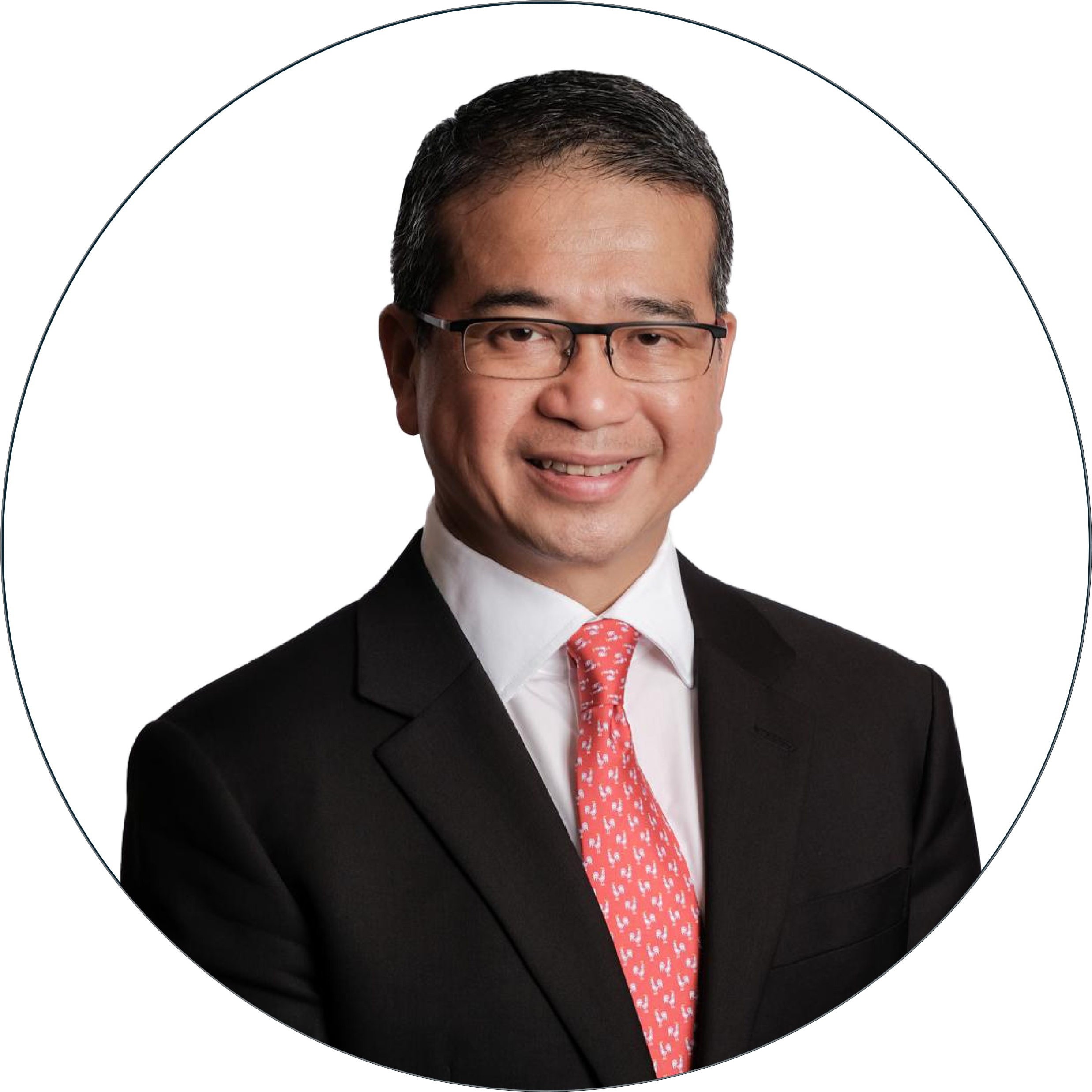
Mr Edwin Tong SC
Minister for Law and Second Minister for Home Affairs
KEYNOTE
Human First in the Age of AI and Robotics

By Dr Jamie Ng
Division Head, Advanced and Sustainable Manufacturing, A*STAR Institute for Infocomm Research
As AI and robotics increasingly shape our lives, it is vital to keep human values and well-being at the core of innovation. This keynote, "Human First in the Age of AI and Robotics", explores how we can build intelligent systems that are ethical, trustworthy, and human-centered. Highlighting both the promises and risks of AI, the talk calls for technologies that augment, rather than replace, human judgment, and emphasizes the need for responsible, human-centered design in an AI-powered future.
PLENARY 1
Optimising Human Performance in Public Safety and Security: Strategies for a Rapidly Evolving Threat Landscape

Director, Human Factors & Simulation Centre of Expertise, Home Team Science & Technology Agency
As public safety and security confronts increasingly complex and unpredictable threats, optimizing human performance has become a strategic imperative. This sharing explores how science-driven approaches; spanning cognitive readiness, physiological resilience, human-machine integration, and adaptive training, can enhance operational effectiveness in high-stake environments. Emphasising the human as both as critical strength and potential point of failure, the session outlines actionable strategies to elevate decision-making, situational awareness, and team coordination. Grounded in emerging research and operational insights, it offers a forward-learning vision for building a resilient, agile, and performance-optimised security force in and age of accelerating change.
PLENARY 2
Fatigue on the Frontline: Sleep, Shiftwork and Human Performance in Emergency Services

By Associate Professor Grace Vincent
Australian Research Council DECRA Fellow, Appleton Institute School of Health, Medical and Applied Sciences, CQUniversity
Step into the world of frontline operations where lives are on the line and discover what truly fuels performance under pressure. In this engaging talk, Associate Professor Grace Vincent shares powerful insights from the Healthy Shiftwork Project, a groundbreaking initiative supporting the health and readiness of emergency responders. Backed by 15 years of real-world research, including the first studies tracking firefighter sleep during bushfire response, this session reveals how sleep, fatigue, and recovery impact safety, decision-making, and resilience. Learn how science-backed strategies can transform shiftwork and strengthen the frontline of homeland security.
MODERATOR
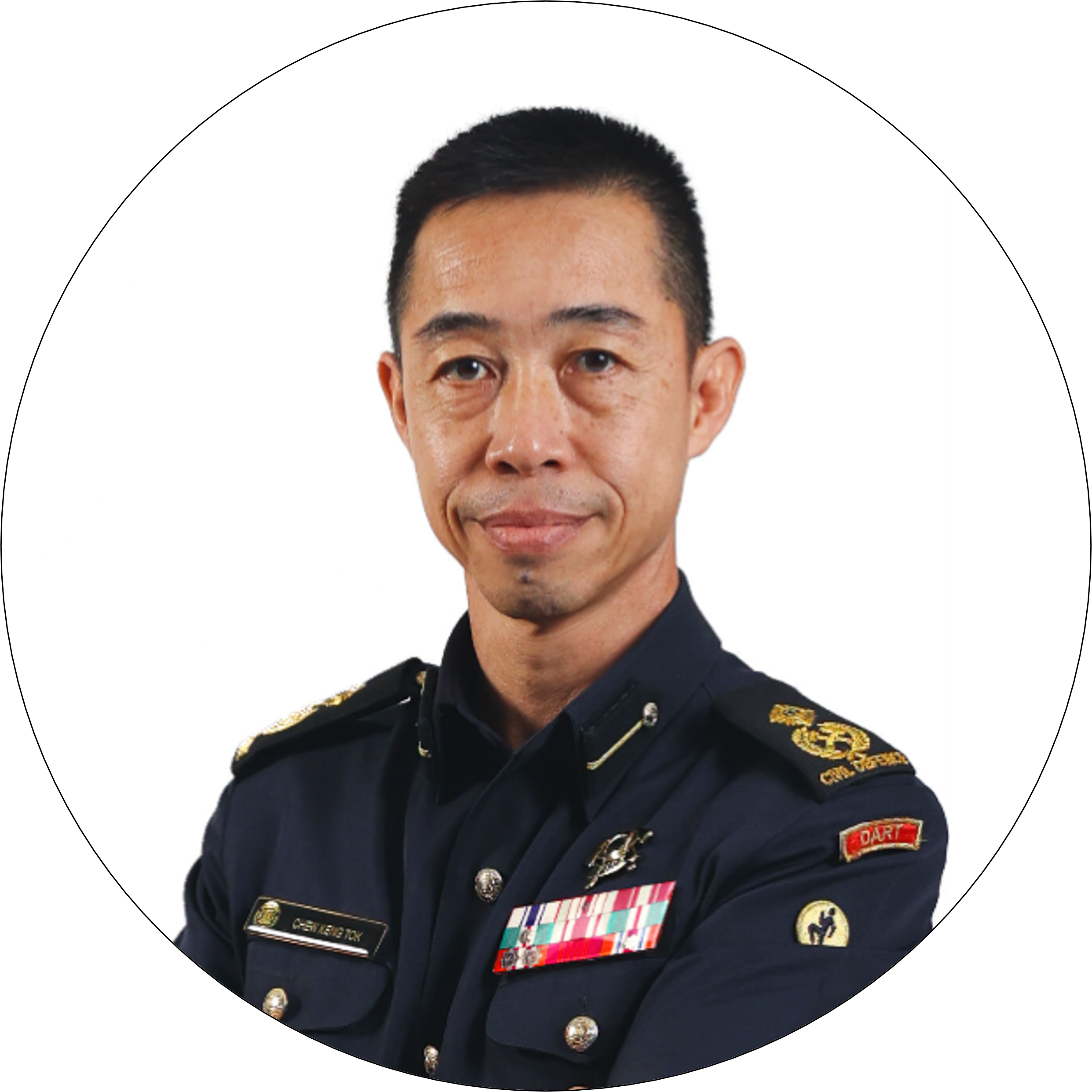
Director Training & Professional Development Department, Singapore Civil Defence Force
Workshop 1
Principles of Implementation Science

Academic Director, Centre for Behavioural and Implementation Science Interventions, Yong Loo Lin School of Medicine, National University of Singapore

Assistant Director, Centre for Behavioural and Implementation Science Interventions, Yong Loo Lin School of Medicine, National University of Singapore
This interactive workshop introduces participants to the principles of Implementation Science, exploring why well-intended innovations often fail and how to bridge the gap between knowledge and action. Through engaging activities and practical frameworks such as CFIR, QIF, and COM-B, participants will learn to identify barriers, analyse behaviours, and apply strategies to improve the success of implementation efforts in their own contexts.
Workshop 2
Recovery Science & Performance Optimisation

Deputy Director of SPRINT Research Centre Australian Catholic University
This workshop explores evidence-based recovery strategies to help professionals in high-demand sustain performance, reduce injury risk, and support long-term health. Drawing from high-performance sport, it covers topics such as physiological and cognitive recovery, sleep science, wearable tech, thermoregulation, and mental fatigue. Participants will gain practical insights and tools to monitor and improve recovery in operational settings.
Workshop 3
Strategies for Negotiation and De-escalation

Protective Security Lab, Centre for Peace and Security, Coventry University
Join this interactive workshop led by Dr Slocombe to explore strategies for negotiation in complex, high-stakes scenarios such as those faced by the Home Team. Through a nuclear de-escalation simulation drawn from ongoing UK-funded research, participants will engage in decision-making, reflect on their responses, and receive feedback on evidence-based approaches to navigating contested situations while avoiding critical escalation points.
Your web browser appears to be outdated. Our website may not look quite right in it.
Please consider updating your browser to enjoy an optimal experience.